

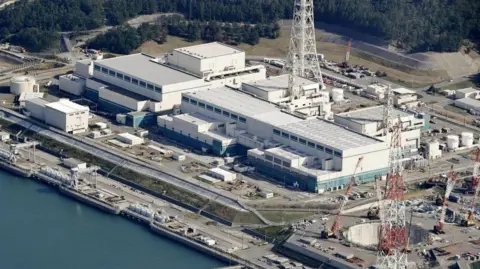
The country is nearing approving the restart of the world's largest nuclear power plant—marking the initial occasion it would be in use since the 2011 Fukushima nuclear incident.
Hideyo Hanazumi, head of the Niigata prefecture where the Kashiwazaki-Kariwa atomic station is located, announced he has authorized for the partial restart.
The plan to resume operations at the station, managed by the Tepco utility firm, must obtain authorization from the prefecture's government assembly and Japan's nuclear regulator before it can advance.
Should it be authorized, it would be the inaugural occasion Tepco would be authorized to restart nuclear reactor operations in Japan since its Fukushima facility experienced a meltdown in the wake of a tidal surge.
Regional Citizens Divided on Resumption
People living in Niigata are split over whether the facility should resume operations or not.
Hanazumi stated at a press briefing on Friday that his decision would be debated in December at a local government meeting, where he would pursue the body's consent.
The consent would be for the resumption of functioning at the facility's Reactor 6, followed by the Reactor 7.
Background and Business Recovery Strategy
The restart of activities at the plant is part of Tepco's business reconstruction plan after the Fukushima nuclear disaster, which was caused by a 9.0-magnitude earthquake and huge tidal wave.
When the facility's atomic cores were inundated by the tidal wave, it caused the release of radiation and required 150,000 people to be moved from the area.
Japan ordered all its atomic energy facility units to be deactivated in that year in the wake of the incident. Afterward, a number of reactors have resumed operations.
Tepco was instructed to pay massive sums in compensation to those affected and is also funding the facility's shutdown expenses.
Public Opinion and Concerns
A study released by Niigata prefecture in the previous month indicated that half of its inhabitants backed the station's reactivation, while 47% were opposed. It also suggested that almost seven in ten of people in the prefecture were concerned about Tepco running the station.
Power Targets and Ahead
Friday's decision demonstrates a inclination among various Japanese to move towards expanded reliance of atomic power to cut use of carbon-based fuels, as the nation pursues a target of net zero carbon emissions.


